
The Sound System
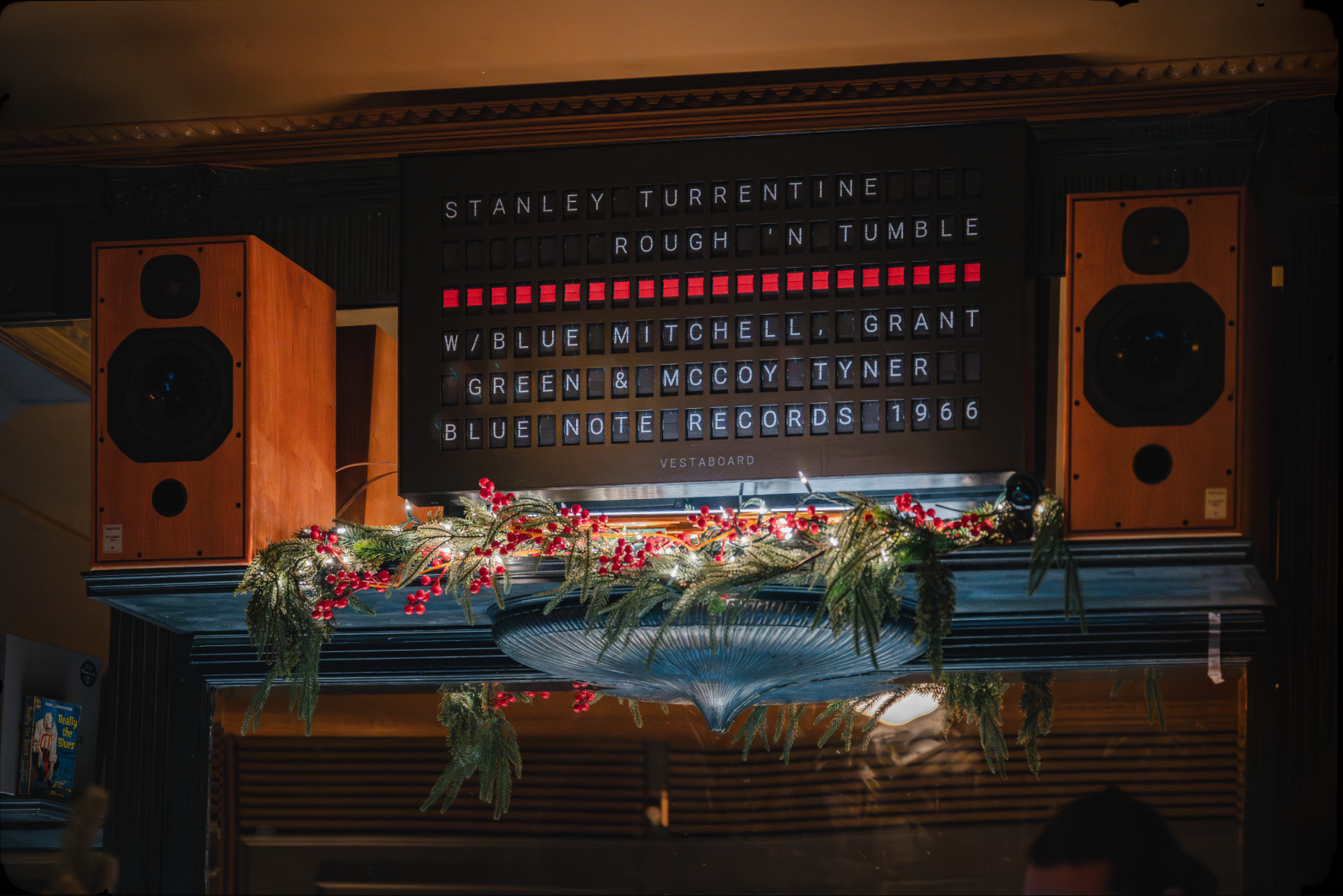
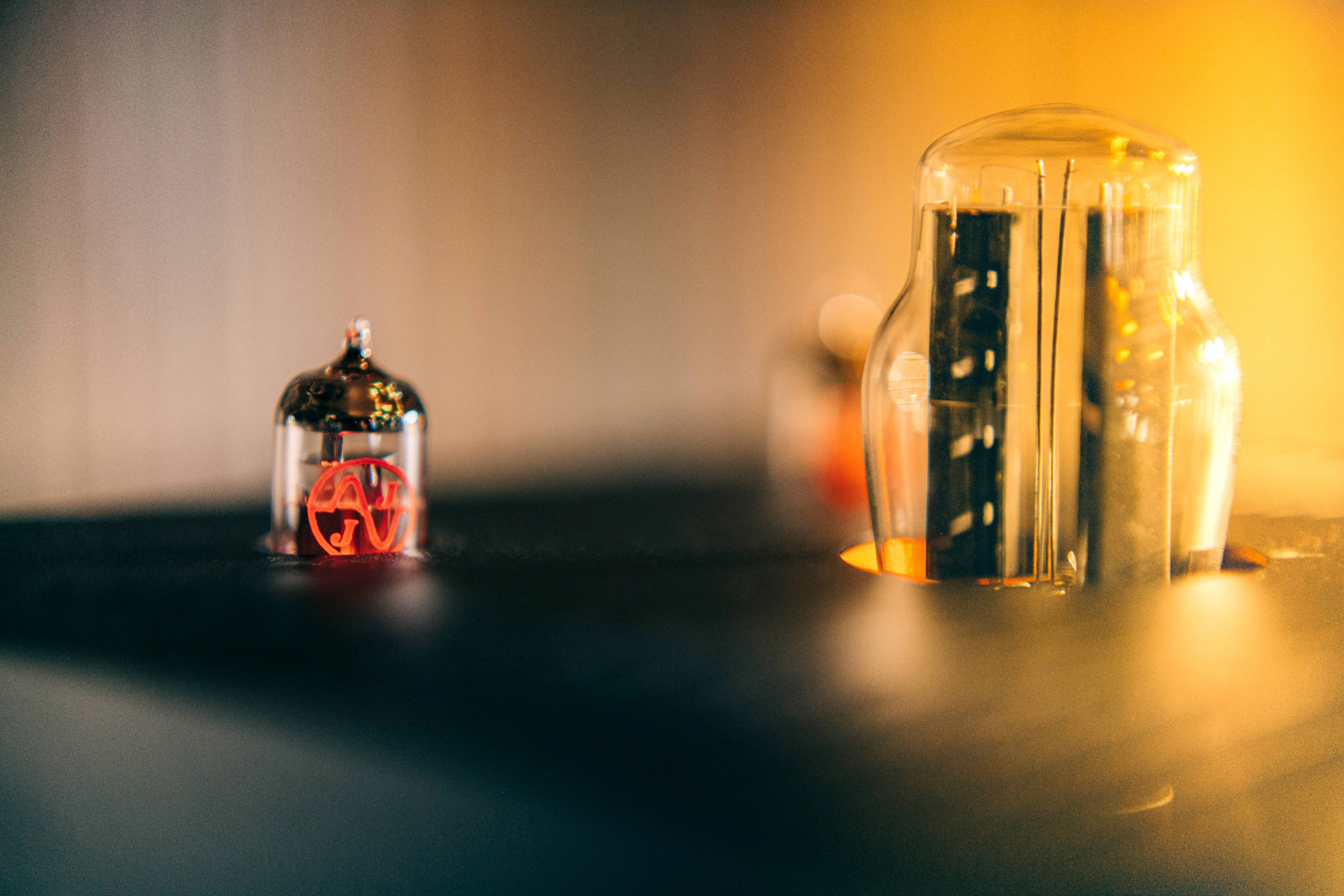
Harbeth speakers, ModWright tube amplification, and a room built from the ground up for one purpose — to let you hear every note the way the artist intended.
Sound First
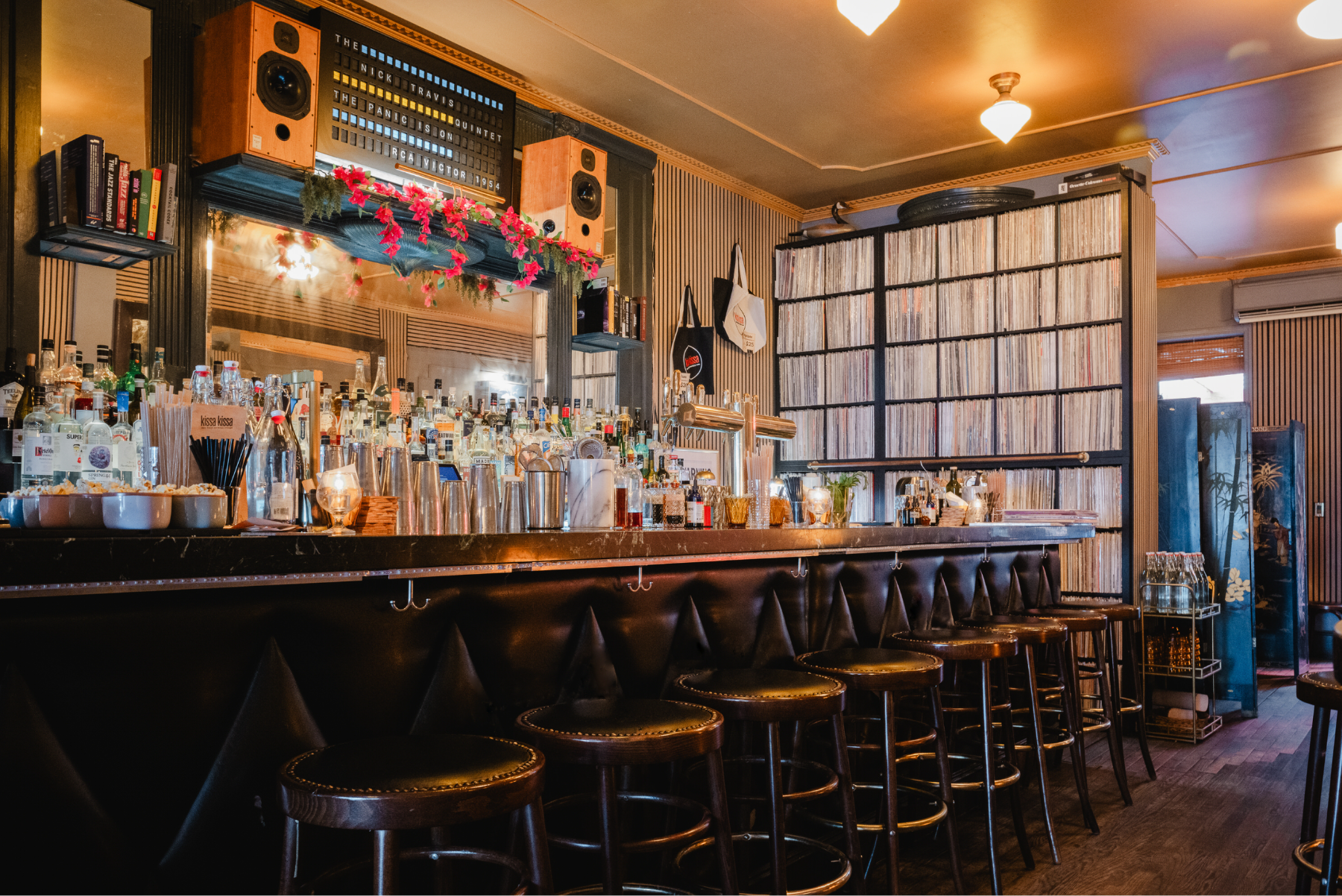
Before the first record was shelved or the first cocktail was poured, the sound came first. Danny and Nina partnered with The Music Room — a Colorado-based firm specializing in high-end audio equipment — and sent them detailed diagrams of the space. Knowing that Kissa Kissa would be playing exclusively jazz, The Music Room designed a complete system configured specifically for the room — every component chosen to serve the genre and the space it would live in.
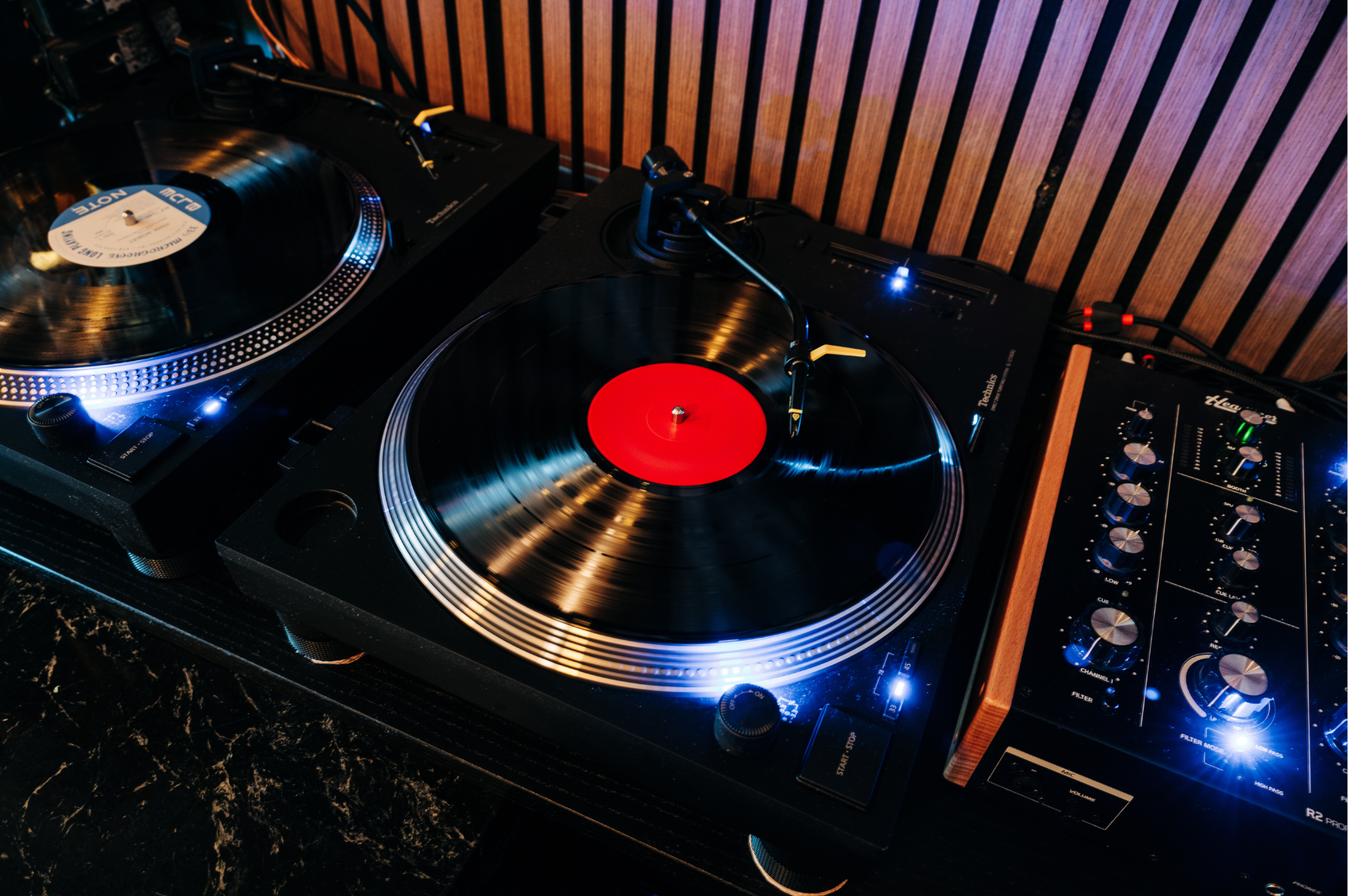
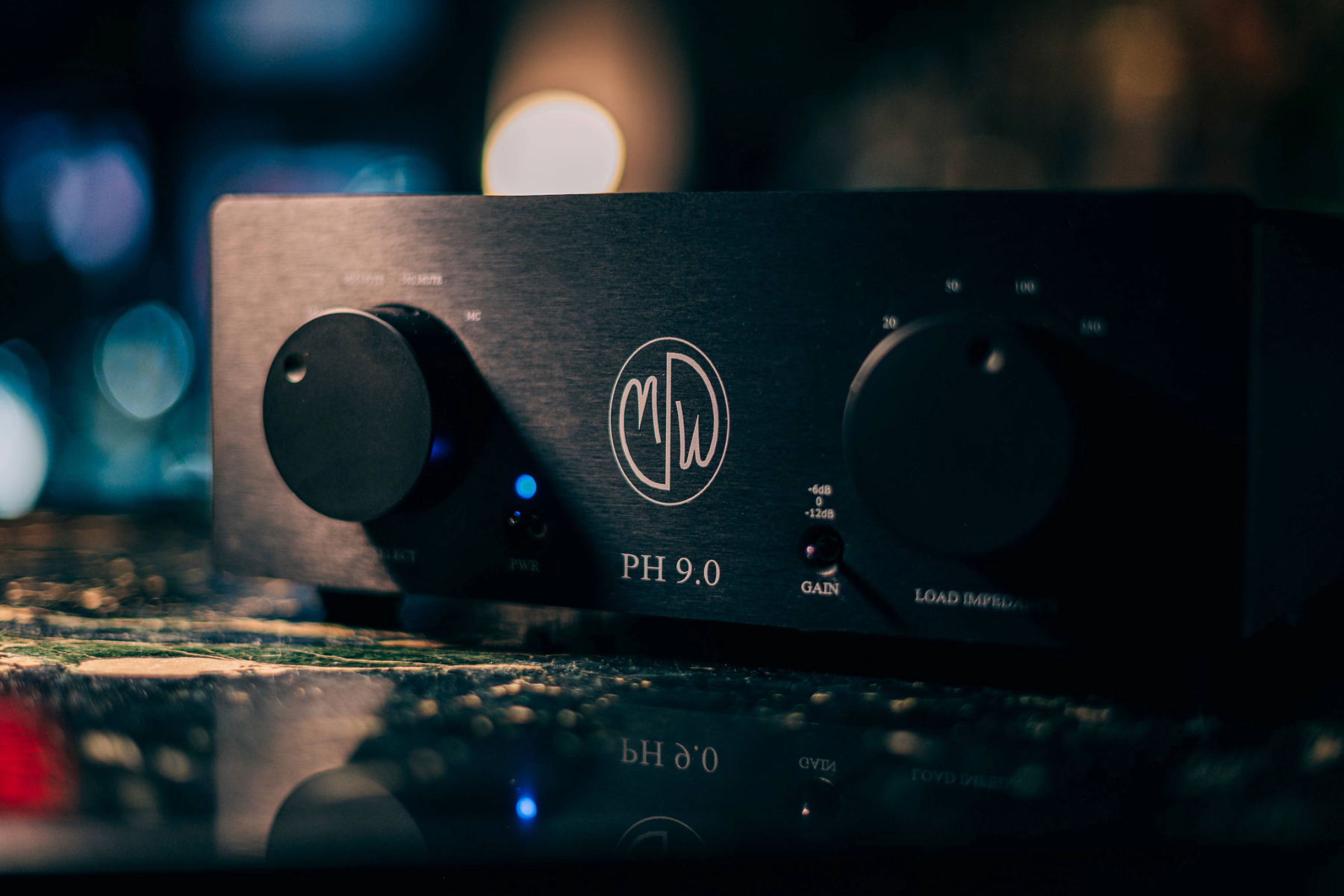
The result is a system that doesn’t announce itself. There are no towering horn speakers or glowing walls of vintage gear on display. Instead, the equipment works quietly in service of the music — British speakers known for their natural midrange, American tube amplification built by hand in Washington state, and a turntable setup designed to keep vinyl spinning all night without interruption. Dozens of soundproofing panels are strategically placed throughout the space for dampening and absorption, ensuring the room itself is as much a part of the system as the electronics.
What you notice isn’t the gear. It’s the space between the notes, the warmth of a tenor saxophone, the way a piano sounds like it’s being played in the room with you. That’s the whole point.
From Groove to Air
Every component in the chain was chosen for the same reason — to get out of the way and let the music through. Here’s how the sound travels from the record to your ears.

Built for Listening
Kissa Kissa is not a hi-fi showroom. It is a bar — a place to drink, to talk, to be with people you care about. The sound system exists in service of that experience. It fills the room without dominating it. It rewards attention without demanding it. If you want to sink into a corner and let a Coltrane record wash over you, the system is there. If you want to lean across the bar and tell your friend about your week, the system stays out of your way.
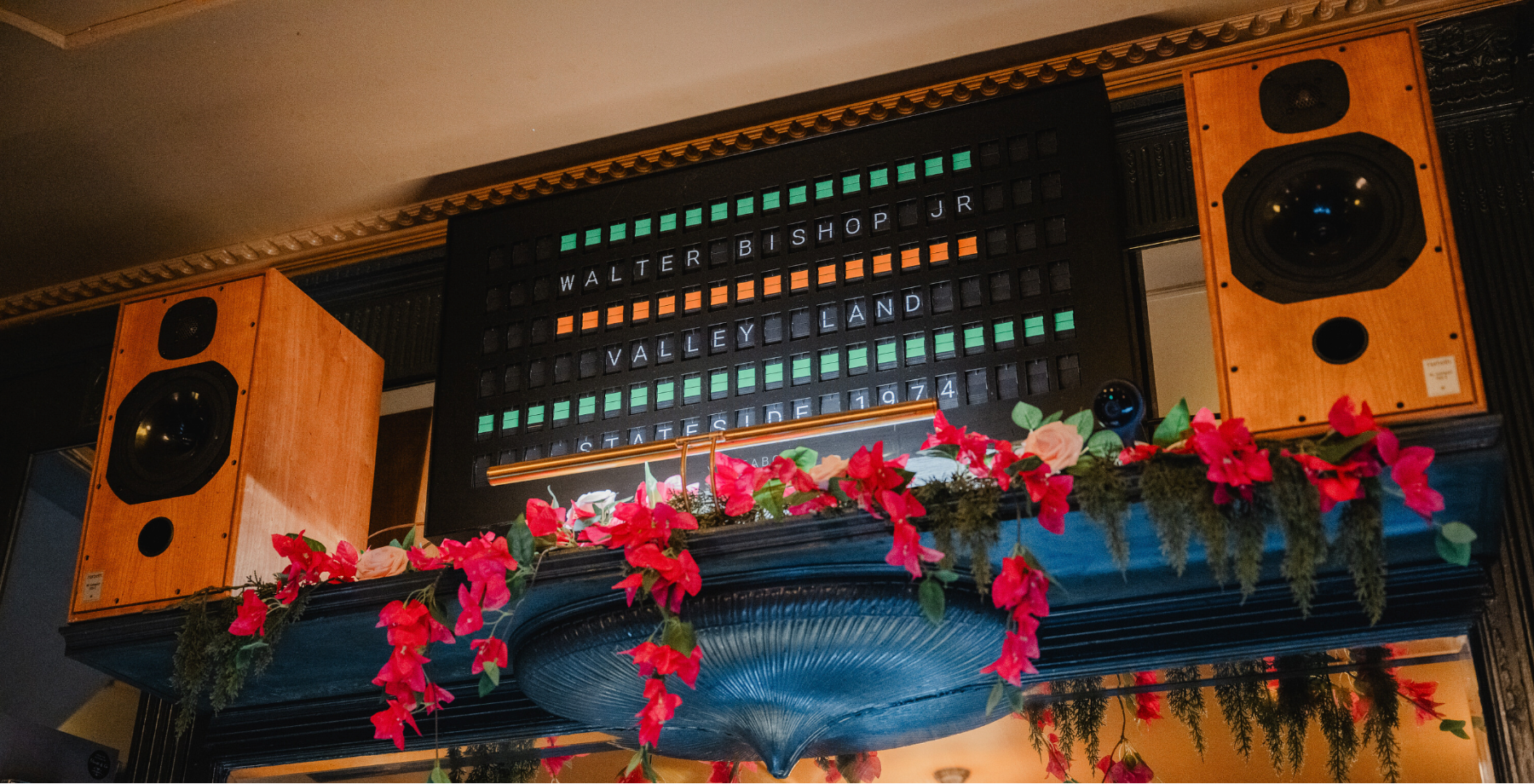
Behind the bar, a split-flap “Now Playing” board — the kind you used to see in train stations — cycles through the artist, album, and label of whatever is on the turntable. No need to ask the bartender. No need to pull out your phone. Just look up and know what you’re hearing.
No Bluetooth. No algorithms. Just the needle, the groove, and the air between you and the music.
The People Behind the Sound
ModWright Instruments is a small, family-run manufacturer of high-end audio equipment based in Amboy, Washington. Founded by Dan Wright, the company builds preamplifiers, power amplifiers, phono stages, and DACs by hand — each one assembled, tested, and signed off by the people who designed it. ModWright’s philosophy is simple: build equipment that sounds natural, looks beautiful, and lasts a lifetime. Every piece of amplification at Kissa Kissa carries their name.
Harbeth Audio has been building loudspeakers in Sussex, England, since 1977. Their designs descend directly from the BBC’s research into natural-sounding monitors — speakers built to reproduce music as faithfully as possible, without coloration or exaggeration. Their proprietary RADIAL cone technology is the product of decades of research into how materials vibrate, flex, and reproduce sound. When you hear a trumpet at Kissa Kissa, it sounds like a trumpet. That’s Harbeth.
The Music Room is a Colorado-based hi-fi dealer and consultancy specializing in high-end audio equipment. They worked with Danny and Nina to design a complete audio system configured specifically for Kissa Kissa’s space and its exclusively jazz format — ensuring that the equipment and the room work together as a single coherent instrument.